


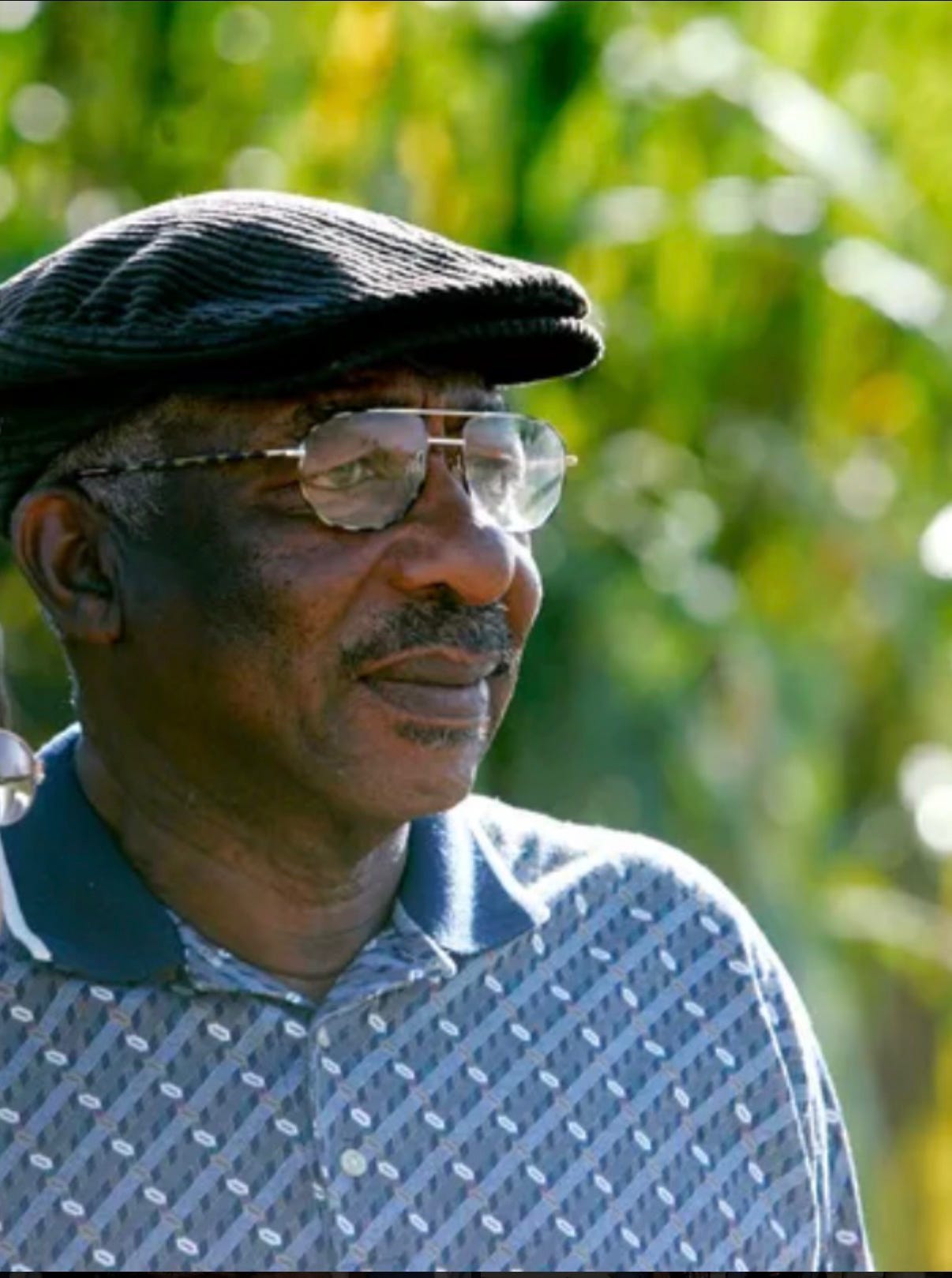
My grandfather was a sharecropper in South Louisiana.
Not my great-grandfather. My grandfather.
Which means my father grew up on a sugarcane plantation in the United States of America.
The political crisis unfolding after Louisiana v. Callais is bigger than voting maps in Louisiana. Bigger than one Supreme Court decision. Bigger even than the Court itself. What we are watching is the continued collapse of public faith in a political system that millions of Americans increasingly believe was never designed to truly represent them in the first place.
For years, many of our political conversations have treated democratic erosion as something abstract. We talk about norms, institutional integrity, ethics rules, and process reforms. Those conversations matter. But they often fail to capture what ordinary people actually feel when they look at the political system right now: powerlessness. The sense that no matter how hard they work, no matter how clearly public opinion aligns around certain issues, the institutions governing the country remain insulated from public demand and unresponsive to people’s lives.
That feeling is not irrational. In many ways, it is historically accurate.
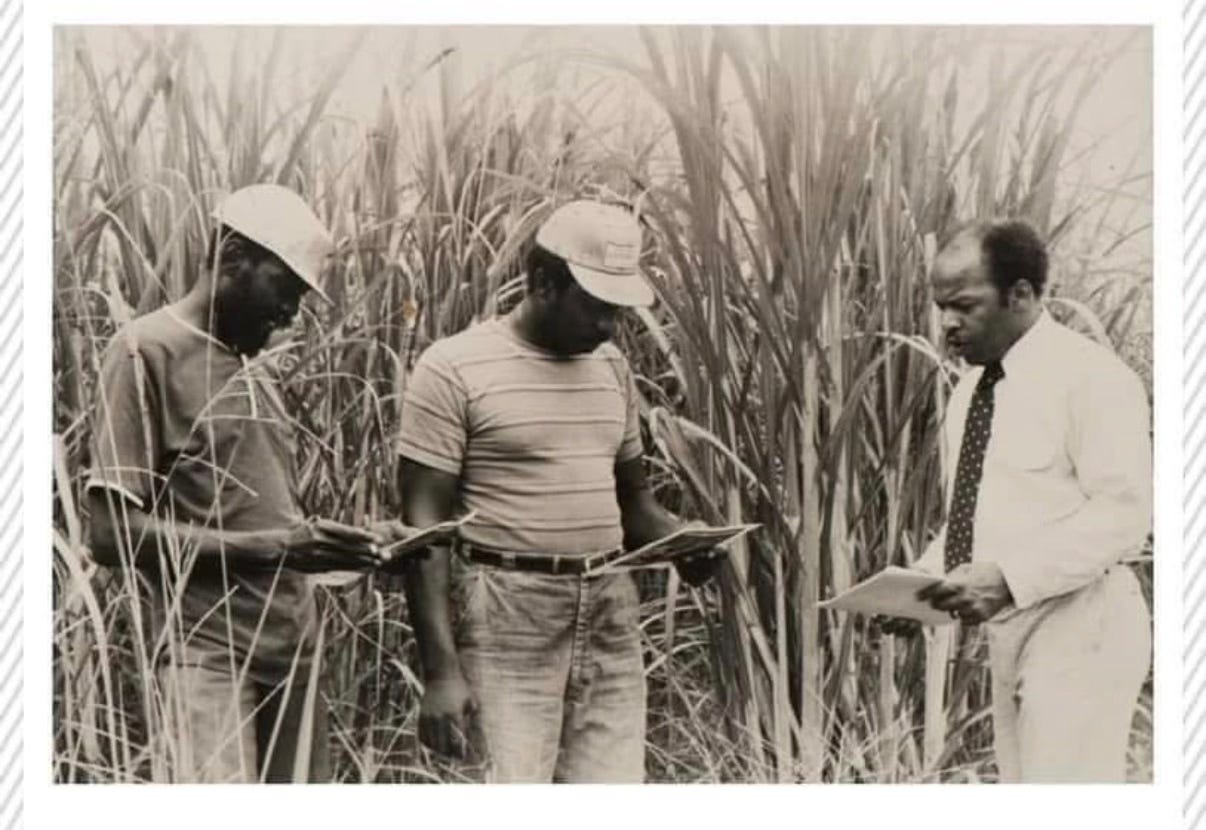
In the early 1970s, my grandfather, Gustave Rhodes, helped organize other sugarcane workers who were being denied wages they were legally owed while plantation owners continued receiving federal subsidies. Workers lived in extreme poverty, many in plantation-owned housing without proper plumbing or basic protections. Challenging the growers meant risking not only employment, but housing and survival itself.
My grandfather, along with others, eventually filed a lawsuit against the U.S. Department of Agriculture and then-Agriculture Secretary Earl Butz over the withheld wages. Most workers were too afraid to join him publicly. That fear was part of the system. Concentrated power survives not only through economics but through the belief among everyday Americans that resistance will cost more than silence. The lawsuit ultimately succeeded, becoming a landmark labor victory in Louisiana cane country. Federal subsidies to growers were withheld until workers received the wages they were owed.
But the lesson my grandfather took from that experience was larger than the wage fight itself. Even after the victory, he still understood himself to be living inside a political system that fundamentally denied poor Black people meaningful power. Winning one battle inside a deeply unequal structure was not the same thing as transforming the structure itself. That realization pushed him toward voting rights organizing. He later joined efforts alongside John Lewis, who at the time was leading the Voter Education Project, working across the South to register millions of Black voters and expand political participation in the years following the Voting Rights Act. My grandfather understood what Lewis understood: that economic justice without political power would always remain fragile and incomplete.
That history matters now because too many people are still treating the post-Callais moment as though it can be solved through narrow reforms and institutional tinkering. But the scale of the crisis in front of us is much larger than that. The Supreme Court did not create public distrust in the political system by itself. It accelerated and exposed a broader collapse that has been building for decades.
People see a Congress incapable of responding to overwhelming public support for major policies. They see a Senate where representation is wildly unequal. They see presidents stretching the limits of executive power while legislative accountability erodes. They see a Supreme Court that has accumulated enormous unchecked authority while repeatedly reshaping who receives political representation and power. And they see rising costs, economic insecurity, environmental injustice, attacks on reproductive freedom, weak labor protections, and growing instability colliding with institutions that appear structurally incapable of responding adequately.
The result is that millions of Americans are beginning to ask a dangerous but understandable question: what does meaningful participation actually look like in a political system that no longer appears capable of hearing the public at all?
Washington still dramatically underestimates how widespread this feeling has become and how much it transcends party or ideology. Americans across political factions increasingly believe the system itself is failing to respond to its citizens and that the scale of the crisis demands far bigger change than the political establishment is currently willing to contemplate. Yet many political leaders continue responding to this moment with the language of incrementalism. Small ethics reforms. Technical voting reforms. Limited procedural fixes designed to appear responsible and achievable within current political constraints. But this is precisely the trap many reform movements have fallen into for decades. Too often, we begin by asking what Congress might currently tolerate instead of asking what the scale of the democratic crisis actually requires.
Same-day voter registration matters. Mail-in voting matters. But we also have to confront the deeper question emerging underneath all of those fights: what good are those improvements if the institutions themselves continue collapsing? What about all the ways the people’s power is threatened beyond the nuts and bolts of voting?
That is why this moment feels different.
People are not simply angry about one issue. They are beginning to question the architecture of the political system itself. They are questioning whether institutions distorted for generations by racial hierarchy, concentrated wealth, and minority rule are capable of producing genuinely representative democracy without major structural change. And despite how uncomfortable many elected officials remain with that conversation, ordinary people are already having it.
The organizing happening across the South right now reflects that urgency. Communities are mobilizing immediately in response to Callais. Organizers understand that attacks on Black political representation in the South have historically functioned as testing grounds for broader democratic erosion nationwide. They also understand something else: defensive organizing alone will not be enough. We cannot spend this entire moment focused only on slowing democratic decline while refusing to articulate a larger vision for democratic revival that allows the American people to once again believe better things are possible.
My grandfather understood that systems do not become more just simply because they become slightly less cruel. They must be rebuilt to distribute power more fairly.
That is the opportunity in front of us now. Not merely to defend existing institutions rhetorically while public trust continues collapsing, but to fight for a political system worthy of the people’s trust. The system my grandfather deserved. The system millions of Americans deserve right now. And perhaps the first real opportunity in generations to stop negotiating against ourselves before the fight even begins, and instead organize around the scale of change this moment actually demands.
Because one day, our grandchildren will ask what we did when the architecture of democracy was openly contested, and the stakes could not have been clearer. The answer we owe them is not that we settled for the possible; it is that we built something genuinely worthy of being inherited. A democracy that is inclusive enough to hear every voice, representative enough to reflect every community, and resilient enough to hold through whatever pressures come next. That is the legacy my grandfather’s life pointed toward. It is the one this moment asks us to finally deliver
.

Stasha Rhodes essay is spot-on and incredibly moving. "People are not simply angry about one issue. They are beginning to question the architecture of the political system itself." This is a powerful and urgent message that should move ALL Americans... regardless of race, ethnicity, or economic status! As Ms. Rhodes puts it: "Our Political System Isn't Broken. For Millions of Americans, It Was Never Built." Amen.
Thank you!!
Read →
Term limits IS NOT A FIX. Nor is an age limit. A small court (5 or 6) as initially established was in a time of total US population of 3 million. To even think a similar size (9) would be sufficient for 333 million is foolish. I would suggest a SC of 45 (or even 60) that Congress establishes as reviewing each case in random panels of 3 then on a split going to a random panel of 9 would work much better. Also all decisions must clearly relate to the case and cite what laws/cases they base their decision on. Yes, they can have boilerplate answers to common blunders but anything new needs a clear response. Also lower courts MUST NOT be "required" to follow precedent when they disagree. Look at https://usareset.net/forum/viewtopic.php?t=43 and its attachment for one crystal clear example of why that is so.
SCOTUS is broke. But so also are all lawyers that are NOT making the effort to actually get it fixed.